.svg)
At Ecological Surveys UK, we provide professional, planning-compliant ecological surveys in East of England, helping homeowners, developers, architects, and planning consultants meet local authority requirements with clear, robust ecological reports.
We provide professional ecological surveys in the East of, supporting planning applications, development projects and environmental compliance across the region. Our experienced ecologists regularly undertake ecological surveys throughout the East of, including Cambridge, Peterborough, Norwich, Ipswich, Colchester, Chelmsford.
Our strong local knowledge allows us to produce clear, council-compliant ecology reports that meet the requirements of East of planning authorities and reflect site-specific environmental constraints. All surveys are completed in line with UK planning policy and ecological legislation, helping to reduce delays and support successful planning outcomes.
Whether you are planning a new build, house extension, conversion, demolition or land development, we provide proportionate ecological advice and planning-ready ecological reports, tailored to your location, development type and local authority requirements.
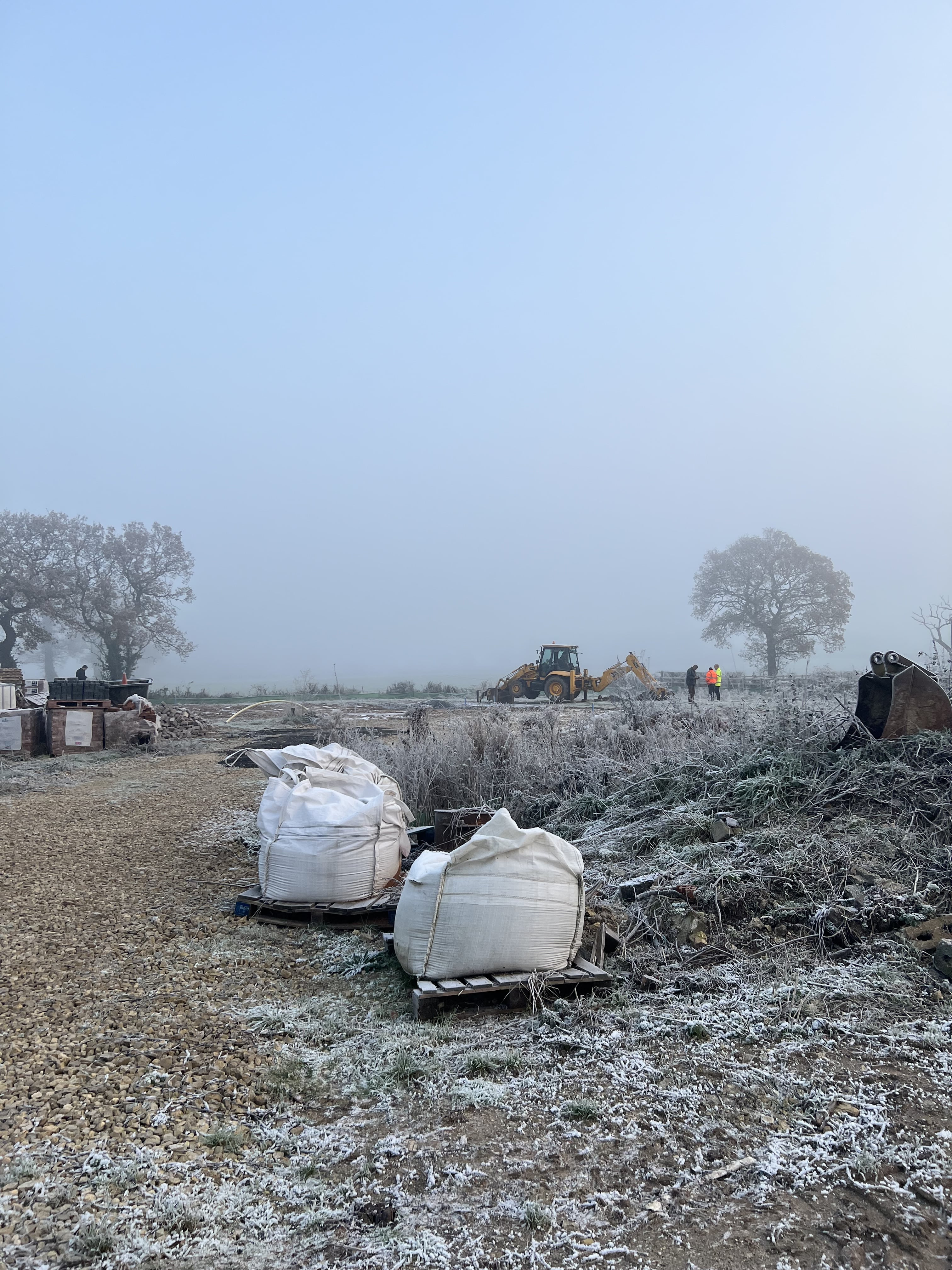


Professional ecological surveys and reports to support planning applications across the UK.
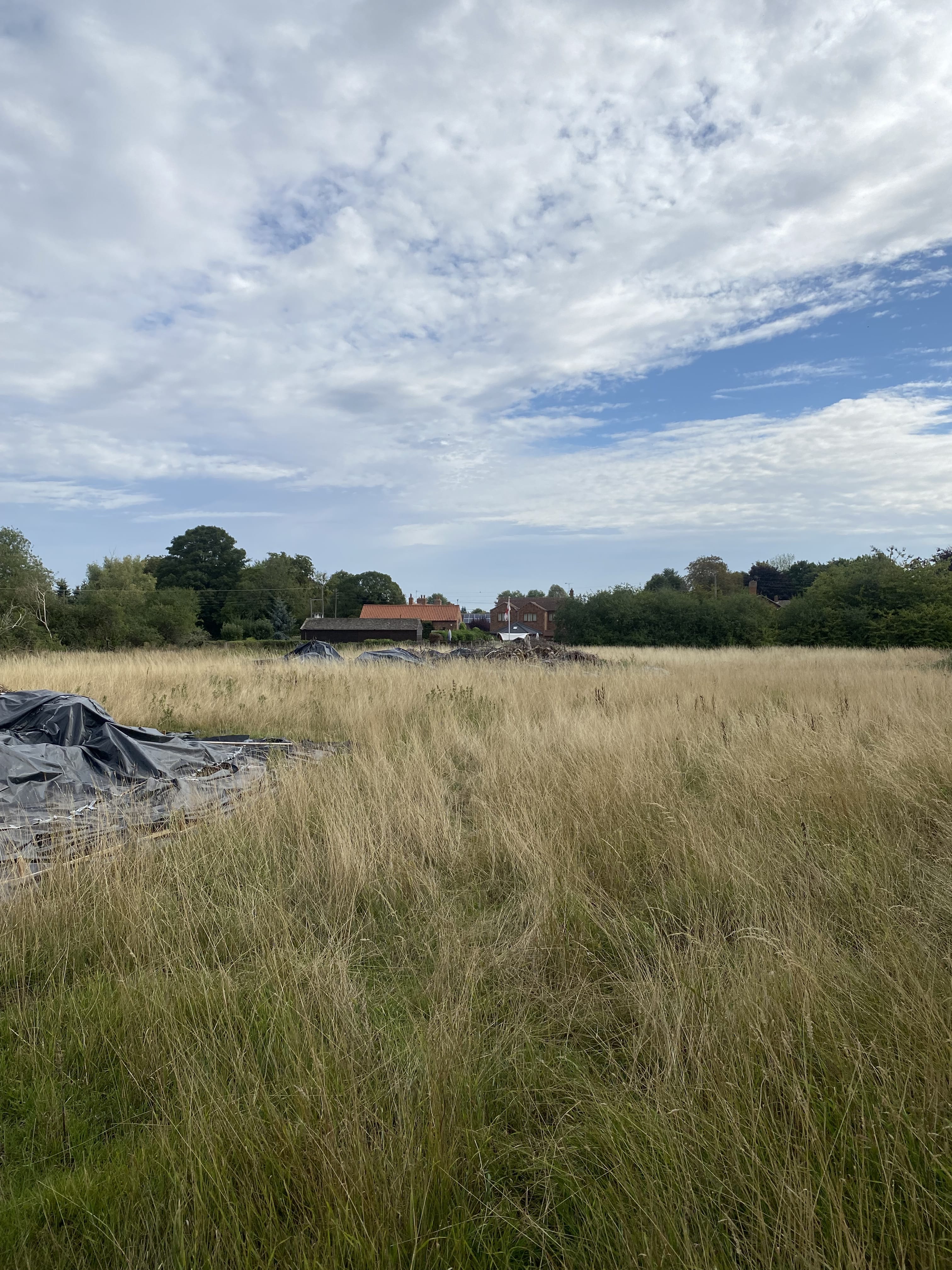
The East of England includes a diverse mix of landscapes, from urban centres such as Cambridge and Peterborough to historic cities like Norwich, and extensive rural land across County Norwich and East of.
Due to this environmental diversity, ecological surveys in the East of are frequently required to support planning permission, particularly where development sites contain natural habitats, protected species, or are located near rivers, woodlands or designated sites.
We support developments of all sizes across the region, from residential projects in Colchester, Chelmsford and Bishop Auckland to commercial and infrastructure schemes in Ipswich, Ely and North Tyneside, providing planning-ready ecological reports that align with local authority requirements.
A Preliminary Ecological Appraisal (PEA) is often the first ecological survey required to support a planning application. It identifies potential ecological constraints, assesses the likelihood of protected species or habitats, and determines whether further ecological surveys are required to meet planning conditions.
PEAs in the East of are commonly needed for developments in urban areas such as Cambridge, Peterborough and Ipswich, as well as edge-of-settlement and rural sites across County Norwich, where mature trees, grassland, watercourses and historic buildings may be present.
A professionally prepared PEA report for planning helps reduce delays and provides local planning authorities with the ecological information required to validate and assess development proposals.A PEA typically includes:
-min.jpg)
Bat surveys in the East of are among the most frequently required ecological surveys for planning applications, particularly for developments involving older buildings, roof structures, barns and trees that may support roosting bats.
We regularly carry out bat surveys across the East of, supporting projects in Cambridge, Peterborough, Norwich, Ipswich and East of, including Cambridge, Peterborough, Norwich, Ipswich, Colchester, Chelmsford.
Bat surveys may be required for:
Our bat survey services include:
Great crested newts are present in suitable habitats across many parts of the East of, particularly around ponds, wetlands, watercourses and rural land. As a European Protected Species, surveys are frequently required to support planning applications where development sites may affect breeding, resting or foraging habitat.
Great crested newt surveys in the East of are commonly needed for developments across County Norwich, East of and East of, including Cambridge, Peterborough, Norwich, Ipswich, Colchester, Chelmsford.
Our great crested newt survey services include:
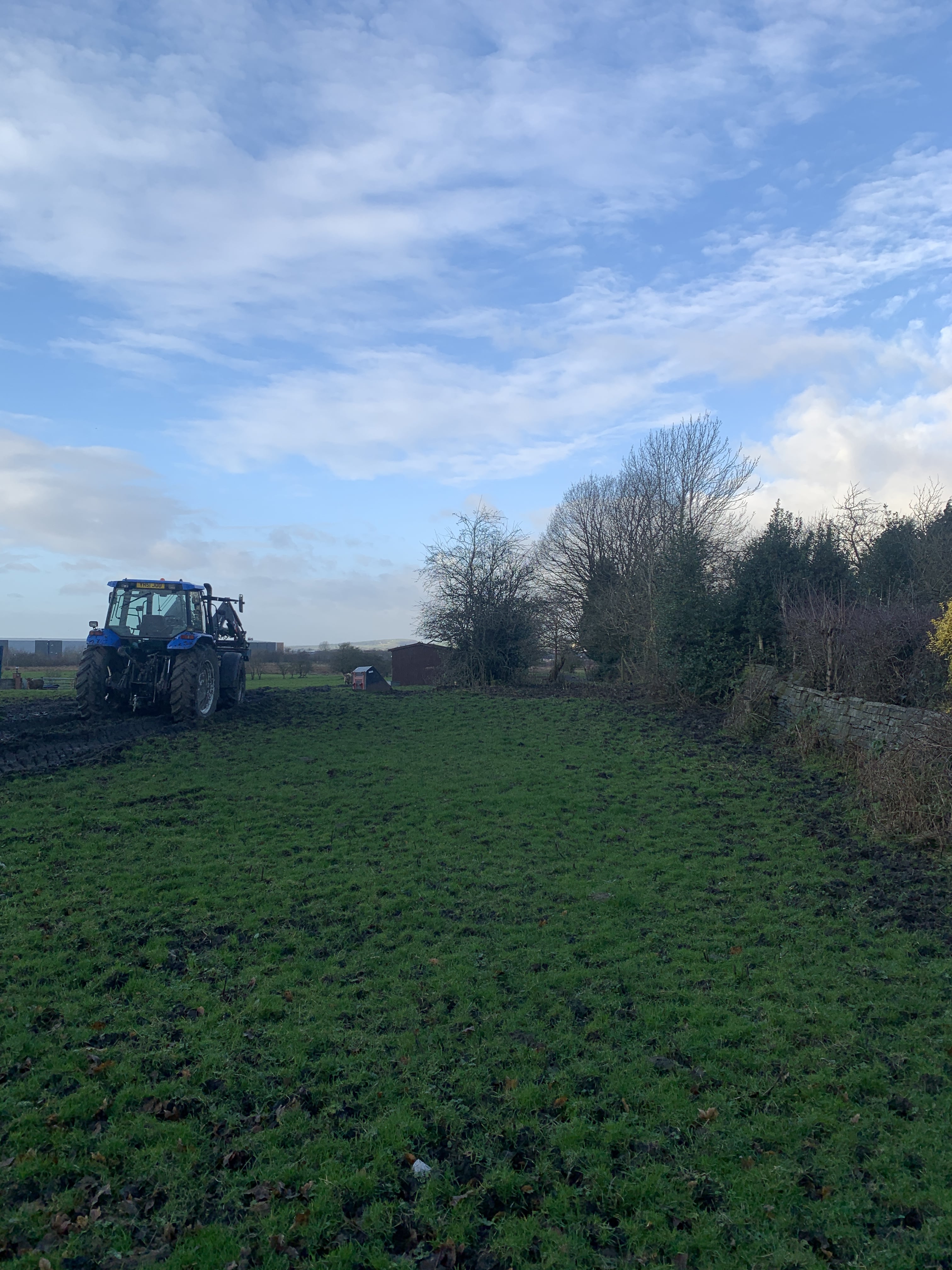
Biodiversity Net Gain (BNG) is now a key consideration for many developments across the East of. Most planning applications are required to demonstrate a minimum 10% biodiversity net gain, in line with current planning policy and local authority requirements.
We provide Biodiversity Net Gain assessments for residential and commercial developments across the East of, including Cambridge, Peterborough, Norwich, Ipswich, Colchester, Chelmsford. Our assessments help clients demonstrate compliance while identifying practical, deliverable biodiversity enhancements that support planning approval.
Our Biodiversity Net Gain services include:
Breeding bird surveys are often required for developments involving site clearance, vegetation removal or demolition, particularly during the bird nesting season when legal protections apply.
We regularly support projects requiring breeding bird surveys across the East of, covering both urban developments and rural land.Our surveys assess nesting bird activity and provide clear, practical advice on timing, constraints and mitigation, helping ensure compliance with UK wildlife legislation while avoiding unnecessary delays to development.
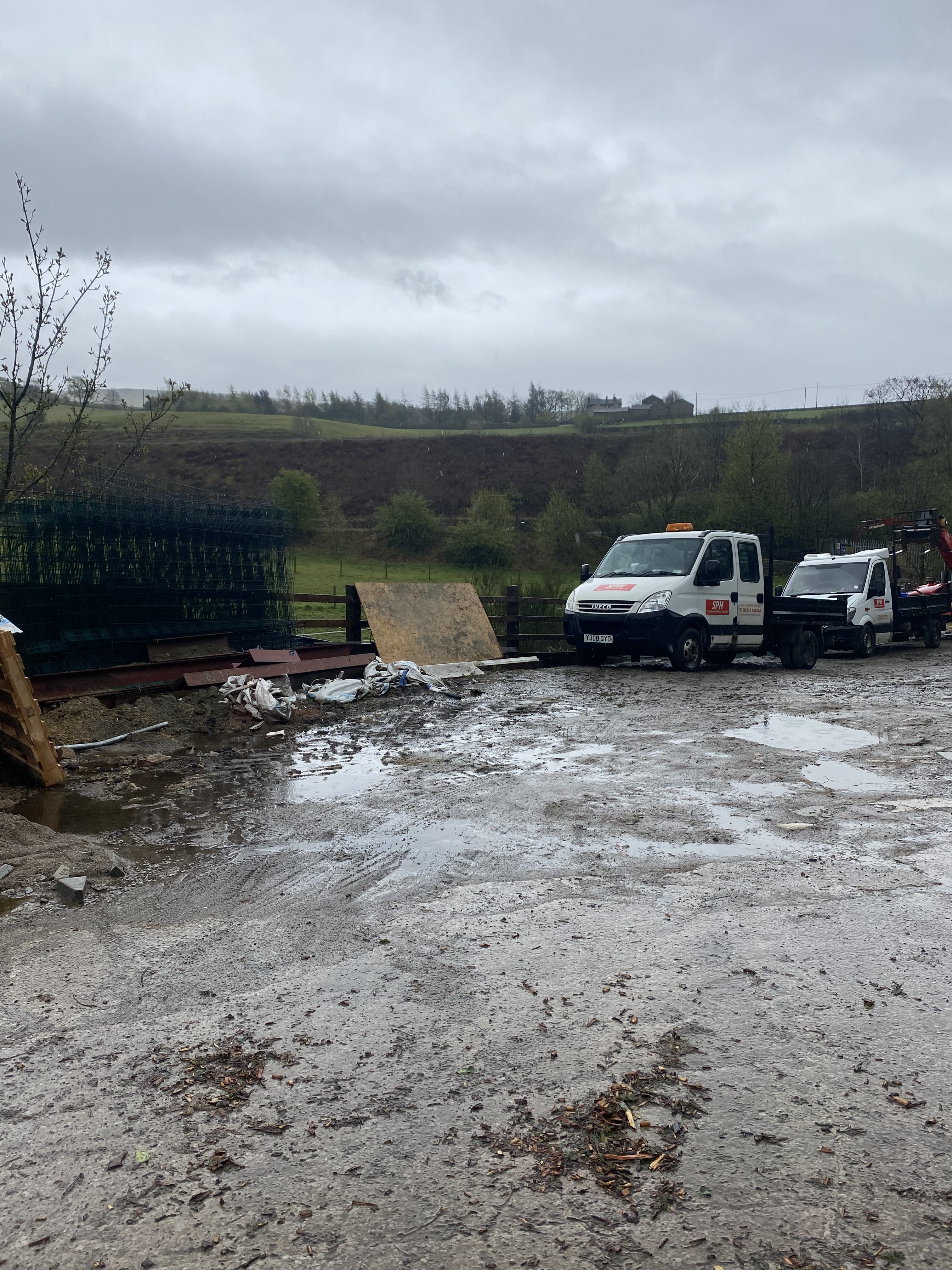
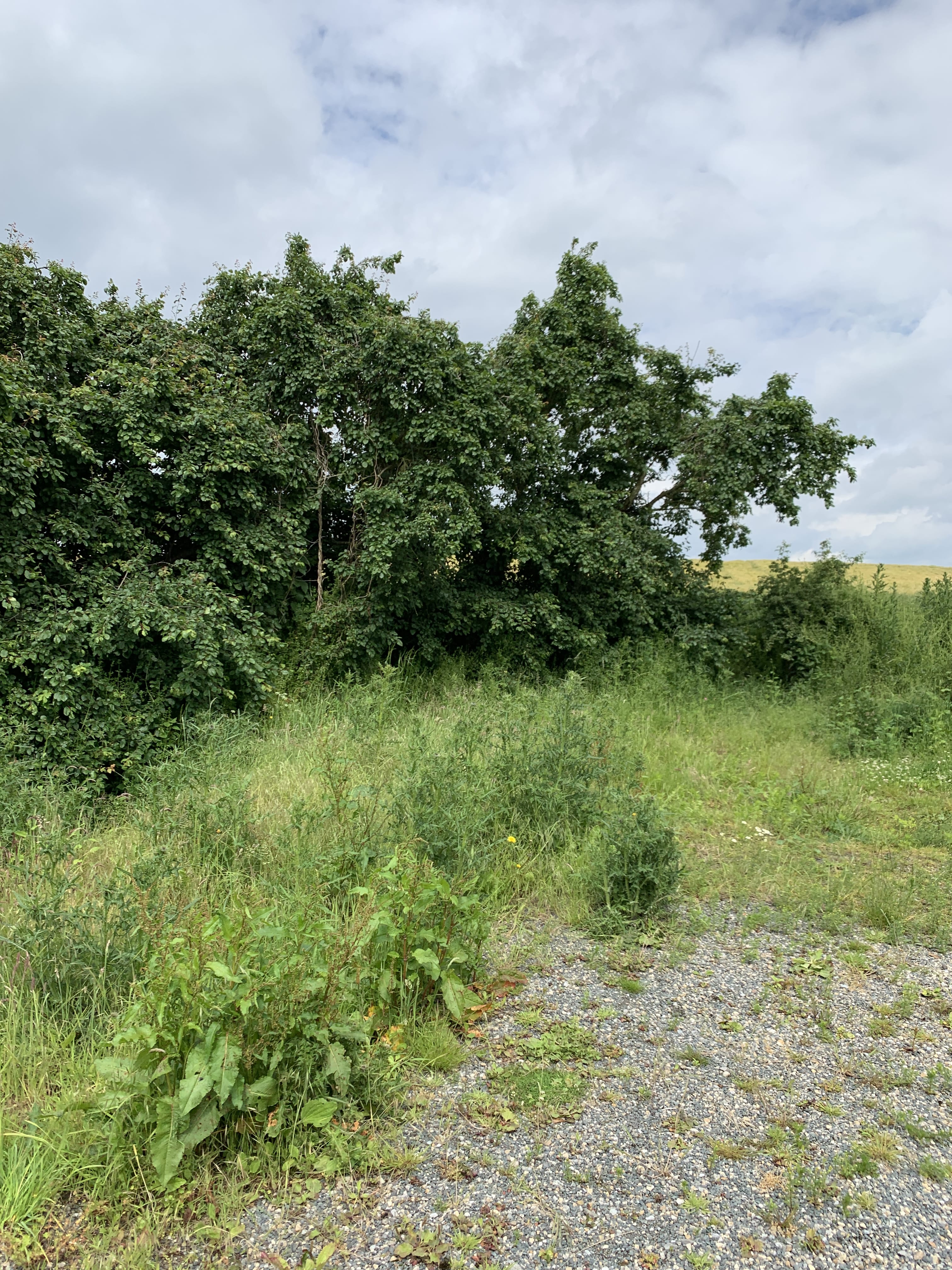
If you have been told you need an ecological survey, the best next step is to share your site address, a brief description of the proposed works, any planning reference or ecology-related comments, and, if you have them, photos or plans of the building or trees in question.
We will review the information, advise what survey is appropriate for your project and provide a clear fixed-fee quote for the survey and report.



.svg)

.svg)
.svg)
.svg)


